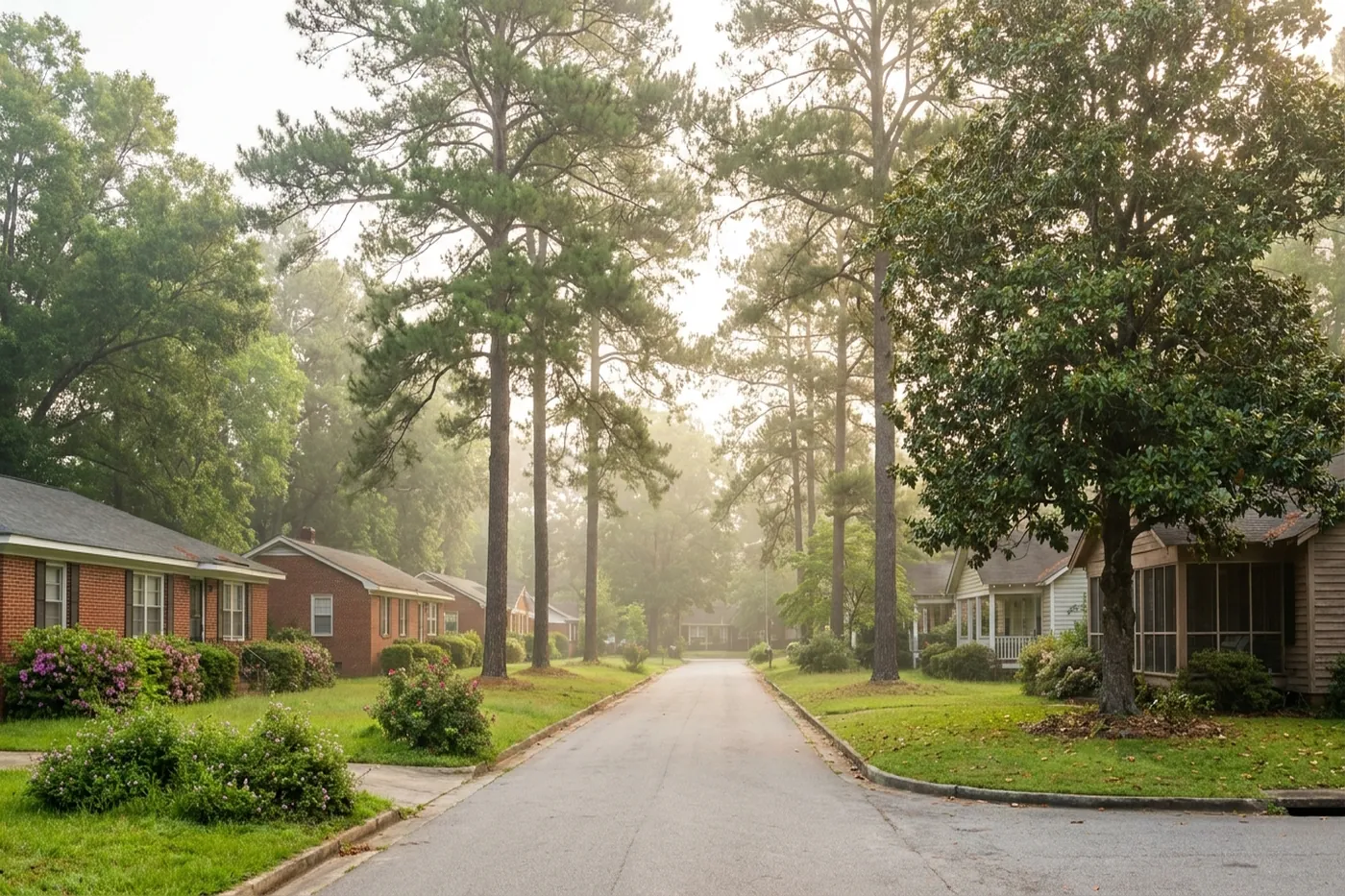
Sagging floor repair in Columbus runs $1,500–$8,000 for most crawl space structural work: sistering weakened joists, replacing claimed sections, and resetting supports. In the IRC’s heaviest termite zone, the diagnosis names which eater did the damage — moisture softening or insect galleries — because the fixes differ.
The two eaters, how the wood tells them apart, and the repair in order.
Two eaters, one symptom
Everywhere in the humid South, crawl space moisture softens framing — wood that stays damp deflects under loads it once carried, seasons before rot shows. Columbus adds the second eater: Georgia and Alabama sit in the IRC’s heaviest termite-probability zone, and damp framing over open ground is exactly the habitat subterranean colonies hunt. Both authors write the same upstairs symptoms — bounce, slope, baseboard gaps, drifting doors — and the fall-line clay under the piers adds its own contribution, swelling wet and shrinking dry, walking shims as it cycles. The crawl-under reads which story your floor is telling, because the repairs diverge from there.
Reading the wood
| Evidence | Points toward moisture | Points toward termites |
|---|---|---|
| How the wood fails | Broad softening, damp smell | Galleries — hollow-sounding, surface intact |
| What you see | Staining, surface growth | Mud tubes on piers, frass below |
| Where it concentrates | Wet zones: leaks, low corners | Ground-contact points and pathways |
| The companion fix | Drainage, barrier, moisture control | Treatment and a bond — the pest pro’s scope |
| The carpentry | Sister or replace by wetness | Replace — eaten wood is gone wood |
The repair, in the order that holds
Measurement first: the laser survey upstairs maps which spans dropped; the crawl-under with a moisture meter and a screwdriver probe says why — wet wood, rot, galleries, walked shims, or the improvised jacks a previous decade left. Then the carpentry: sistering where wood weakened, full replacement where either eater claimed sections, engineered supports on footings sized for cycling clay.
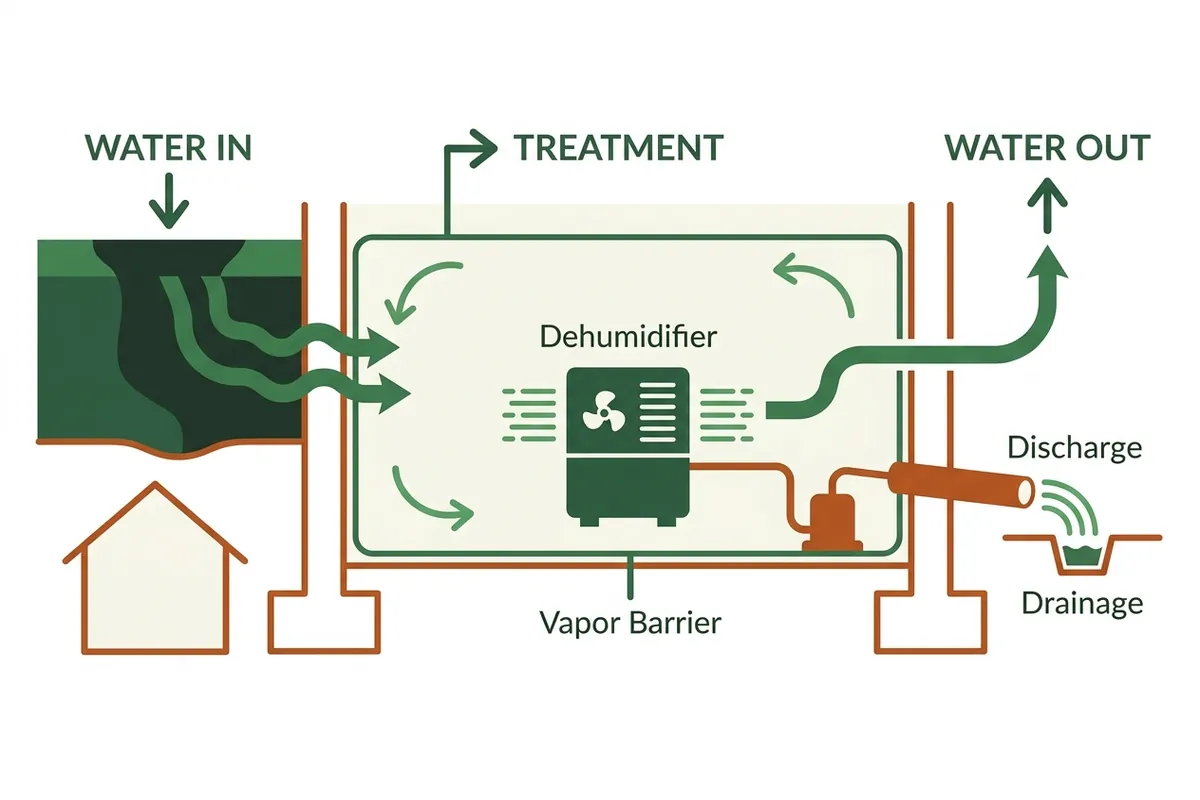
Then the conditions: drainage where water arrives, a sealed vapor barrier on the ground, moisture control against the deep-humid summers — and where termites wrote any of it, treatment and a bond from a pest professional, which is their license and their scope, marked plainly as such in ours. A dry, sealed crawl is less attractive habitat, which is the one place both fights share a weapon. Broader context on the crawl space repair page; every price in the cost guide.
What to expect after the repair
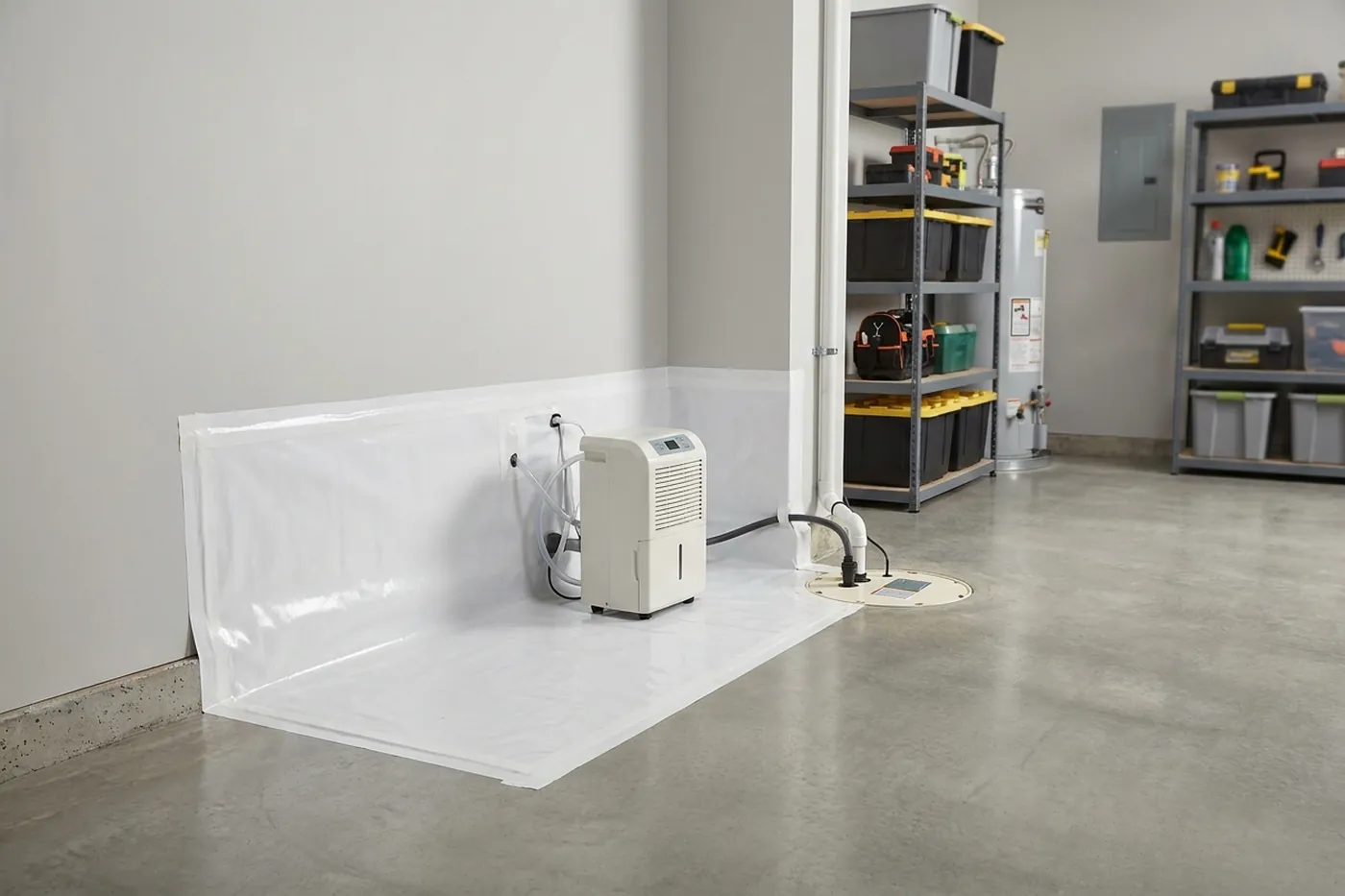
A repaired floor is back within tolerance rather than made new. Some deflection typically stays by design, since forcing an old floor flat cracks plaster and drywall above it, and the lift is done in stages for the same reason. Expect to adjust a few doors afterward and to see a hairline crack or two as the frame relaxes; wait a season, then do the cosmetic work once. Afterward, keep both eaters out. Dry ground and a sealed barrier handle the moisture half, and the termite half is a schedule, not an event — keep the bond current and the annual inspection booked, because in this zone a lapsed termite contract is how a repaired floor becomes a repeat customer.
Sagging floor questions, straight answers
Why do Columbus floors over crawl spaces sag?
Two eaters share this market. Moisture is the universal one — 47-48 inches of rain and deep-humid summers keep vented crawls damp enough to soften framing. And Columbus sits in the IRC's heaviest termite-probability zone, where subterranean colonies consume the same joists moisture softens. The floor above reports both the same way: bounce, slope, drift.
How do I know if it's rot or termites under there?
The wood testifies. Rot softens broadly and smells of damp; termite damage runs in galleries — wood that looks whole but sounds hollow, mud tubes on piers, frass. The crawl-under inspection reads both, and the distinction matters: rot repair pairs with moisture work, termite repair pairs with treatment and a bond, and plenty of Columbus crawls need both answers.
What does the repair actually involve?
Match the fix to the bite: sistering joists moisture weakened, replacing sections rot or galleries have claimed — eaten wood doesn't repair, it replaces — resetting supports the clay has walked, and adding engineered supports where mill-era spans were optimistic. Then the conditions fix: dry the crawl, and let the pest professional's treatment hold the line.
Do the old mill-village houses have special problems?
Mostly age-of-wood problems. Bibb City and the textile-era stock ride on framing that's carried a century of humid summers, and its margins are thinner — deflection that a 1990s ranch shrugs off shows up as real slope in a mill house. The same inspection applies; the tolerances are just tighter, and the history under there is usually more interesting.
What does sagging floor repair cost in Columbus?
Most structural crawl space repairs run $1,500-$8,000 — driven by how many joists and girder sections need work and how much of it is replacement rather than reinforcement. Termite treatment itself is the pest company's scope and prices separately; our written scope marks the line plainly. The crawl-under inspection with photos is free.
Get a free Columbus crawl space inspection
Tell us what you're noticing — smells, humidity, floor bounce, a wet crawl — and we'll schedule an inspection with photos of what we find. We reply the same business day.