Crawl space mold remediation in Columbus runs $1,500–$6,000, plus the moisture correction that keeps it gone. In a metro with a nine-month cooling season, growth here is a standing condition rather than the aftermath of one bad week.
Telling routine bloom from structural decay, the remediation sequence, and why the moisture half is the half that lasts.
What a Columbus crawl is actually showing you
Surface bloom across joist bays after a wet season is common here and is treatable on its own terms. Growth with softened wood underneath is a different conversation, because that represents years rather than months and the question becomes structural. Thousands of dollars separate those two readings, which is why a good inspection is photographed and metered before anything is priced.
There is a local complication worth naming. Georgia and Alabama sit in the heaviest termite-probability zone the IRC maps, and damp crawl wood attracts both problems at once. Homeowners routinely find one and assume it explains the other. It is worth knowing which you have, and in what order, before anyone quotes for either.
The sequence
- Document: photos and meter readings of every affected bay, shared first
- Clear: contaminated insulation and debris out
- Treat: antimicrobial application across affected framing
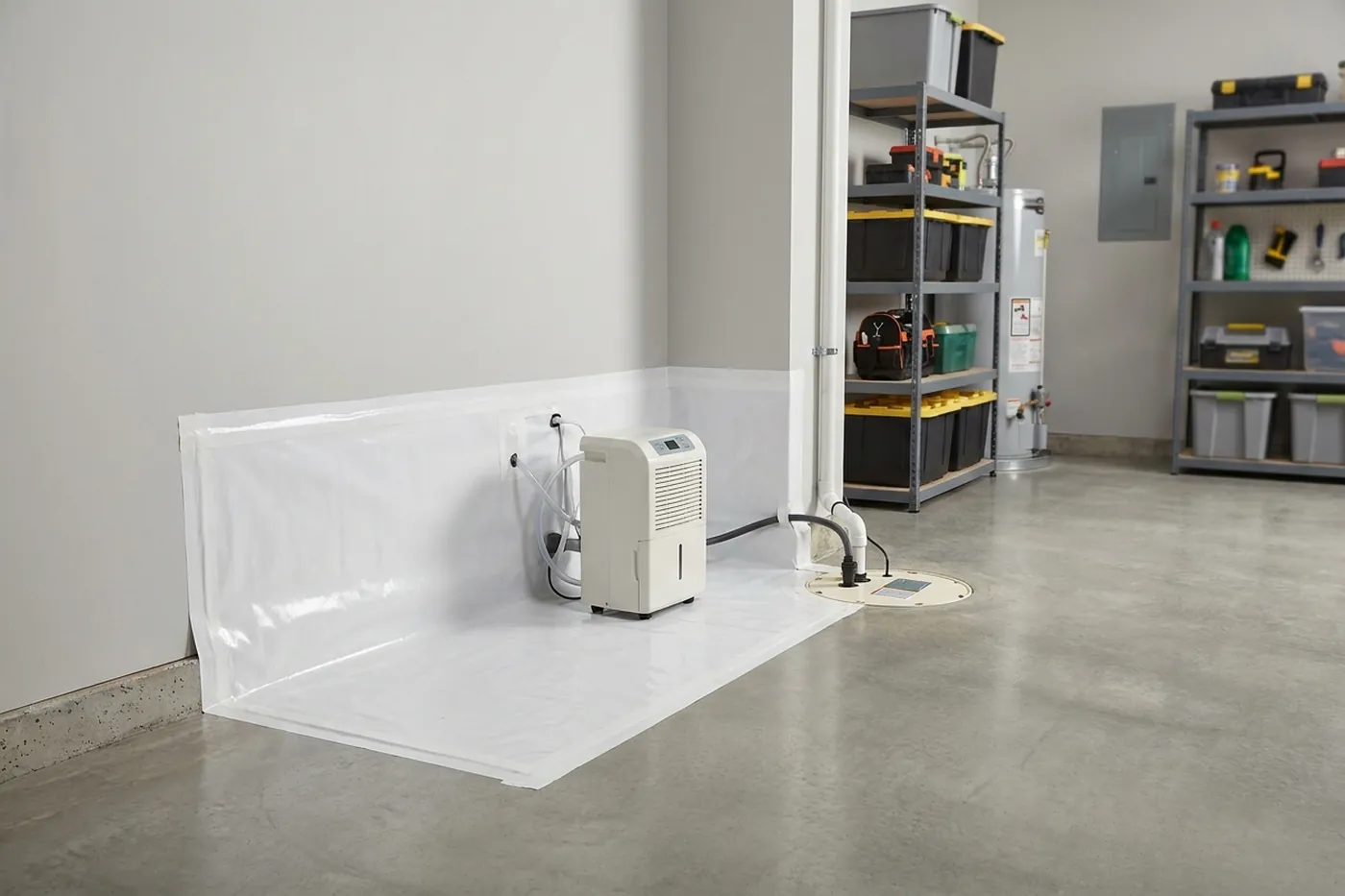
- Correct the moisture: barrier, water management or the full sealed system, per the readings
- Verify: post-work photos and humidity targets in writing
Where framing has gone soft, step three stops and a repair scope starts instead. Treating decayed wood is cosmetic, and a good specialist would rather lose the easy sale than hand you a crawl that looks resolved.
Why treatment on its own is the expensive option
Spraying wood that the climate re-wets every July is a subscription. What makes it particularly poor value in this metro is the length of the season: there is no winter here long enough to dry a crawl out on its own, so the clock starts again almost immediately.
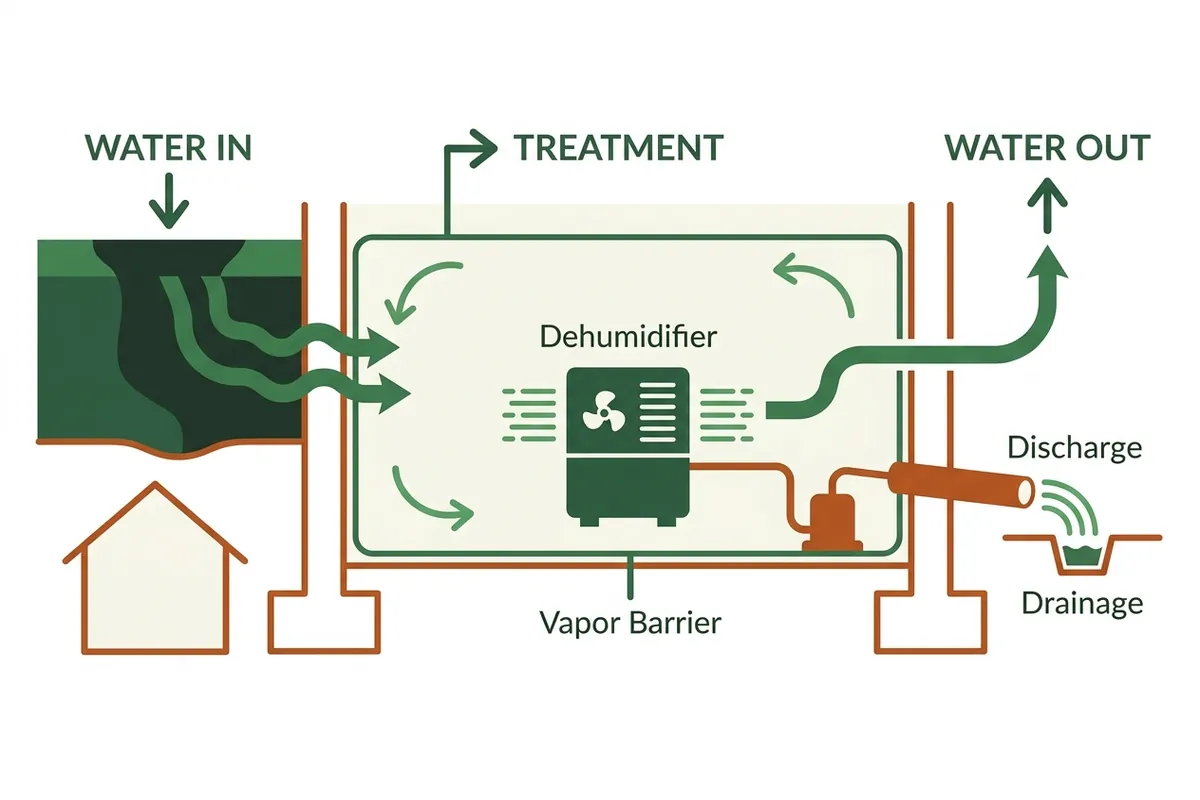
The durable purchase pairs treatment with the moisture fix (sometimes a sealed ground barrier, sometimes water management first, sometimes the full sealed system) matched to your readings so there is no second invoice.
The worst crawls are usually the ones nobody has opened. Around Fort Moore, rental turnover means houses change hands without anyone going underneath for years, and the discovery tends to happen at a sale inspection with a clock running.
How do you actually get the humidity down?
A vented crawl space in this climate is being asked to dry itself with air that is wetter than what it is trying to remove. The signs are familiar: cupping floors, a smell that arrives in May, insulation on the ground.
| Option | What it does | What works here |
|---|---|---|
| Close the vents | Stops humid outdoor air being invited in | Georgia code permits unvented sealed crawl spaces: closing them is compliant, not a workaround |
| Seal the ground | Cuts off evaporation from bare soil | Bare soil in this humidity evaporates continuously into the crawl |
| Dehumidify | Removes what is left, and keeps removing it | The long cooling season means a dehumidifier here runs more months than in most markets |
| Condition from the house | Supplies a small amount of conditioned air instead | An option where the house has capacity; needs a balanced supply, not a cut duct |
Dry wood is also the cheapest termite deterrent available in a zone this active. The moisture work and the pest exposure are the same job.
Frequently asked questions
What does crawl mold remediation cost in Columbus?
$1,500–$6,000 depending on affected area, plus the moisture correction that keeps it gone. Treatment alone in a climate that stays warm for nine months is a repeat purchase, so ask for a quote that covers the pair.
Is it mold or termite damage?
Both like the same conditions, so both turn up in the same crawls here. Mould is surface growth on the wood; termite damage runs inside it and shows as galleries and hollow-sounding framing. A good inspection photographs whichever it finds, and says plainly when it is both.
Why is my shaded lot worse?
Shade slows drying. Under heavy canopy the ground holds moisture for longer after every storm, and the crawl runs damper for it. It does not change the fix sequence; it just means the moisture stage carries more of the weight.
Is the crawl reaching my family upstairs?
Crawl air rises through the floor system and makes up a real share of what your ground floor breathes. A musty smell indoors and allergies that ease when you leave the house are the usual signs. Fixing the crawl closes the pathway.
Get a Columbus crawl space inspection
Tell us what you're noticing (smells, humidity, floor bounce, a wet crawl) and we'll pass your request to one independent local specialist who serves Columbus. They call you back to set up an inspection.