
Crawl space sump and drainage in Columbus runs $1,500–$4,000 for sealed sump systems and $2,500–$7,000 with perimeter collection. Deep-South thunderstorms are surge events on clay that won't absorb them. The design is sized for the surge, not the average.
Surge sizing, sealed-basin standards, and how drainage anchors the bigger fix.
Sized for the gully-washer, not the drizzle
Averages lie in the Deep South: the storm that floods your crawl drops its month's quota in an afternoon. A good design starts from that storm: collection capacity for sheet flow off saturated clay, a basin at the true low point, a pump rated for surge with a check valve behind it, and discharge routed far enough that the water doesn't circle back for a second try. Battery backup earns its cost here more than anywhere. The thunderstorm that floods the crawl is the same one that drops the power lines.
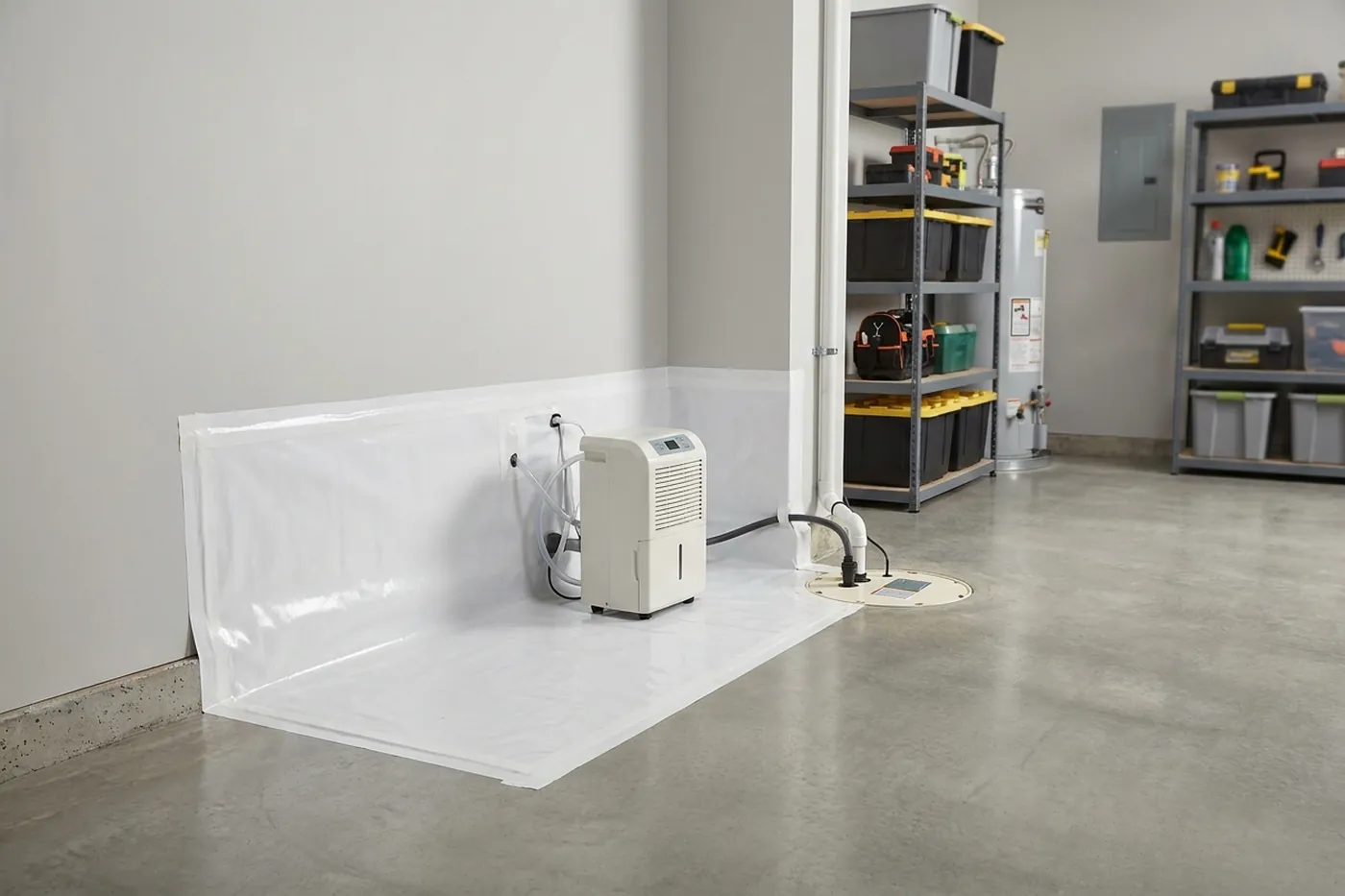
Built for the inch-an-hour thunderstorm
- Collection sized to your roof and lot flow: big Southern rooflines multiply what arrives
- Sealed basins: no open pit humidifying the crawl with collected water
- Surge-rated pumps with check valves where pumping is the answer
- Battery backup options: Georgia thunderstorms and outages travel together
- Discharge that stays gone: daylighted, dispersed, and clear of the foundation
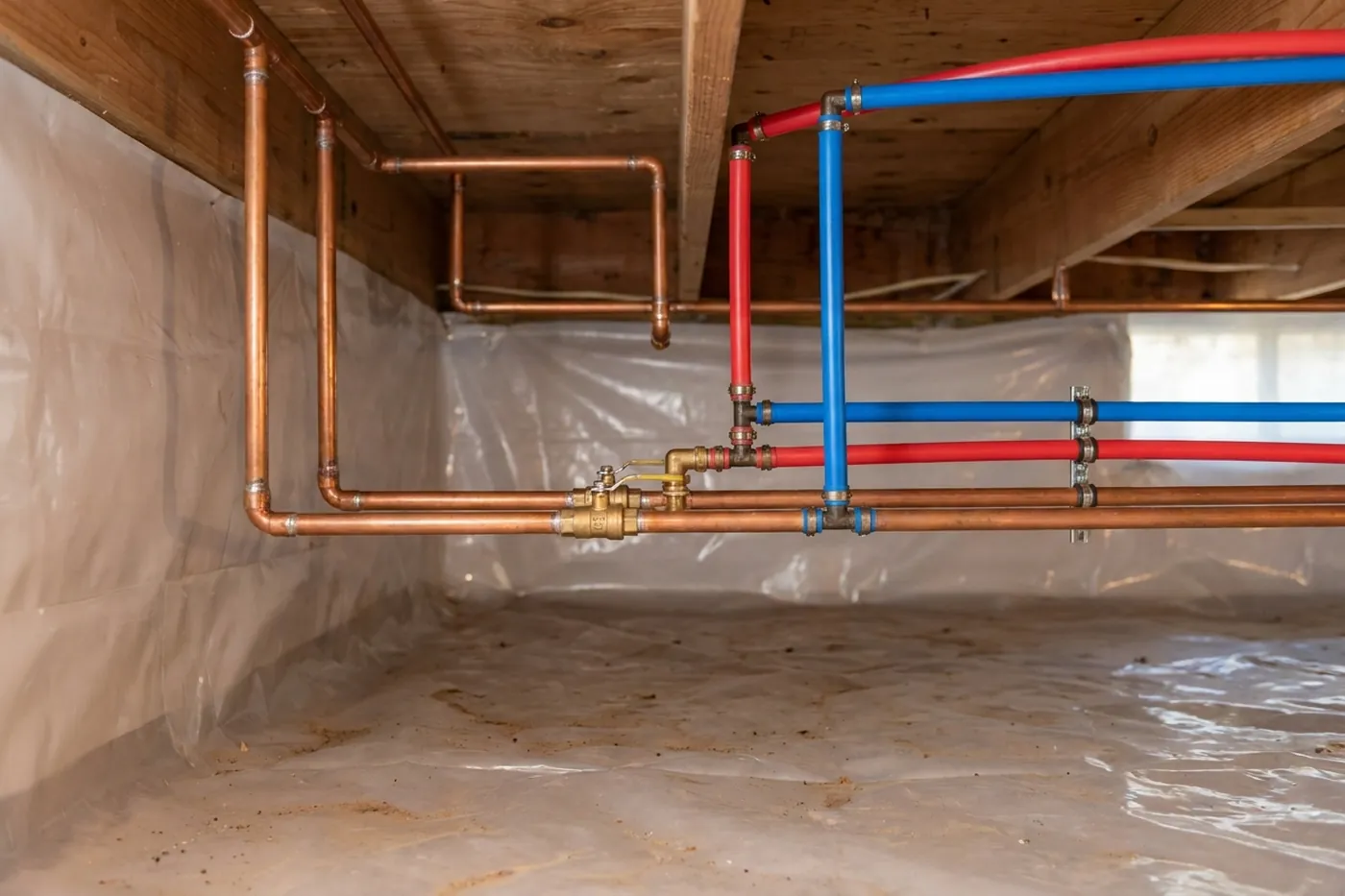
Drainage first, sealing when ready
Dry-bottomed is the prerequisite for everything else under the house. Some homes stop there and watch a storm season; most pair drainage with the sealed system in one sequence, because in this climate the condensation problem never waits politely. An itemized quote stages both ways, and when a $400 downspout correction carries half your problem, it belongs in the quote first.
Can a pump fix this, or is it the wrong tool?
People usually ask for a pump after seeing water once. Sometimes that is right, and often the water arrived by a route that is cheaper to close than to manage forever.
| Option | What it does | The local catch |
|---|---|---|
| Interior perimeter drain and pump | Collects and ejects water that has arrived | Sensible where fall-line ground genuinely delivers water under the house |
| Exterior drainage and grading | Stops water arriving in the first place | Works with the slope toward the river rather than against it |
| Gutters and extensions | Removes the largest single source, cheaply | The first thing to fix in a 47-inch rainfall market, and the least expensive |
| Pump alone, nothing else | Manages symptoms indefinitely | In a termite-probability zone this high, permanently damp ground is a standing risk |
A pump that runs constantly is not a solved problem. It is a drainage problem with electricity attached.
Frequently asked questions
What does a sump system cost in the metro?
$1,500-$4,000 for a sealed sump alone; $2,500-$7,000 fed by perimeter collection. Battery backup adds a few hundred dollars and earns it in the first storm outage.
How big a pump does a metro crawl need?
Surge decides: size from roof area, lot flow, and the crawl's collection footprint, not from a shelf default. Undersized pumps meet Georgia thunderstorms exactly once.
What about back-to-back storm days?
The system cycles as often as the weather asks: sealed basin, rated pump, clear discharge. Saturated-clay weeks are the design case, and commissioning in storm season is the best proof there is.
How are these systems maintained?
With seasonal checks: float tests and discharge verification. Ask the specialist for a five-minute homeowner walkthrough if you'd rather own it. Discharge outlets just need keeping clear of leaves and mulch.
Get a Columbus crawl space inspection
Tell us what you're noticing (smells, humidity, floor bounce, a wet crawl) and we'll pass your request to one independent local specialist who serves Columbus. They call you back to set up an inspection.