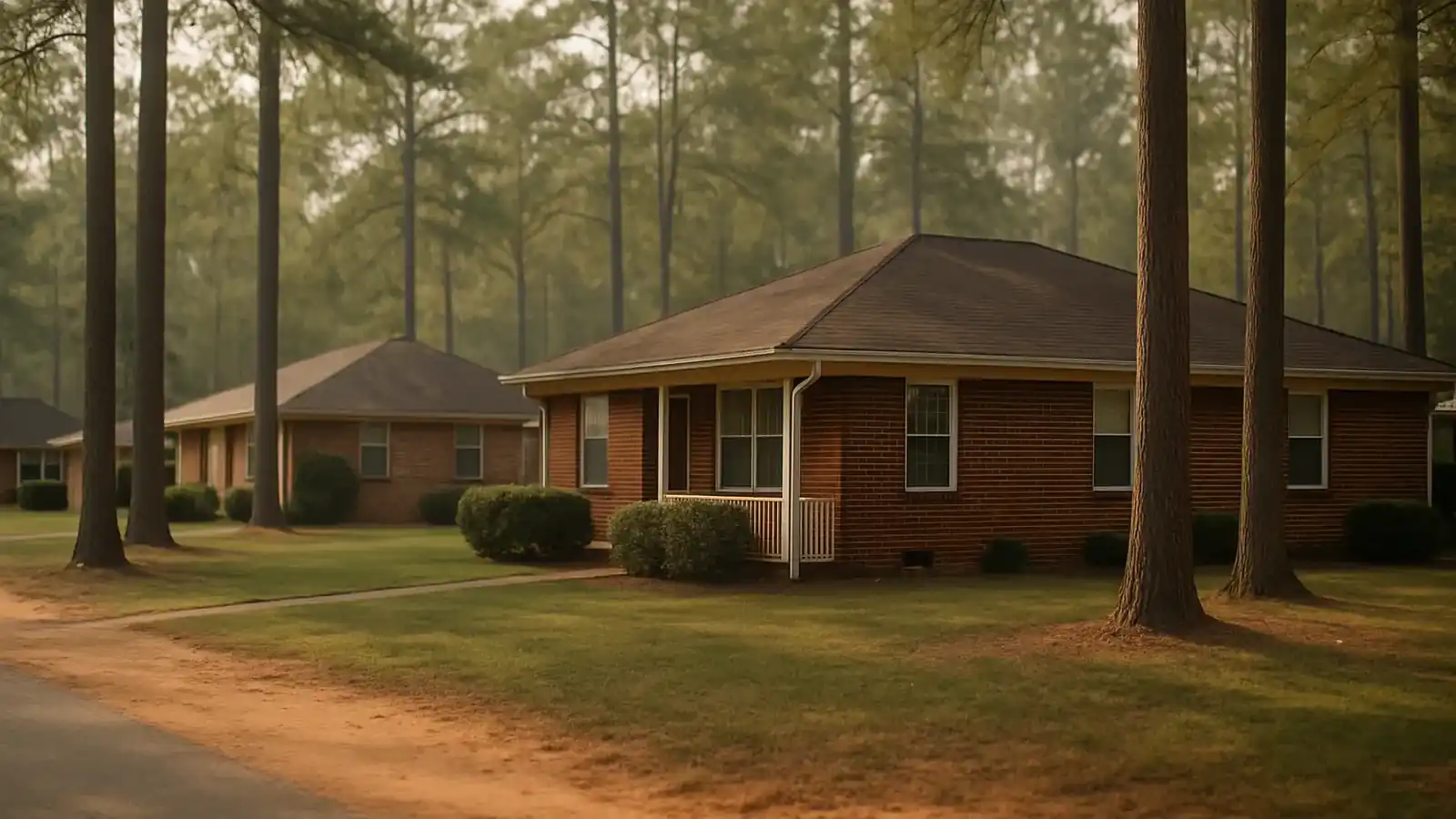
Crawl space encapsulation in Columbus costs $6,000–$15,000 for the complete sealed system. Under a long humid season and roughly 47–48 inches of yearly rain, the sealed-and-dried design is the only crawl strategy that outlasts a Georgia summer.
The long-season problem, the build in the right order, and what places your crawl in the range.
A long condensation season
Vented crawls fail on physics: warm humid air meeting cooled framing condenses, and Columbus serves that combination from spring into November, months longer than markets north of here. The wood never gets a true drying season, decay compounds annually, and the region's heavyweight termite pressure keys on the result. The right sequence answers all of it in order: manage the liquid water, repair the damage, seal the crawl airtight, then dry it mechanically and prove the number. Skip a stage and the summer finds the gap; run the order and the crawl stays dry through the longest August this river city can serve.
The build, stage by stage
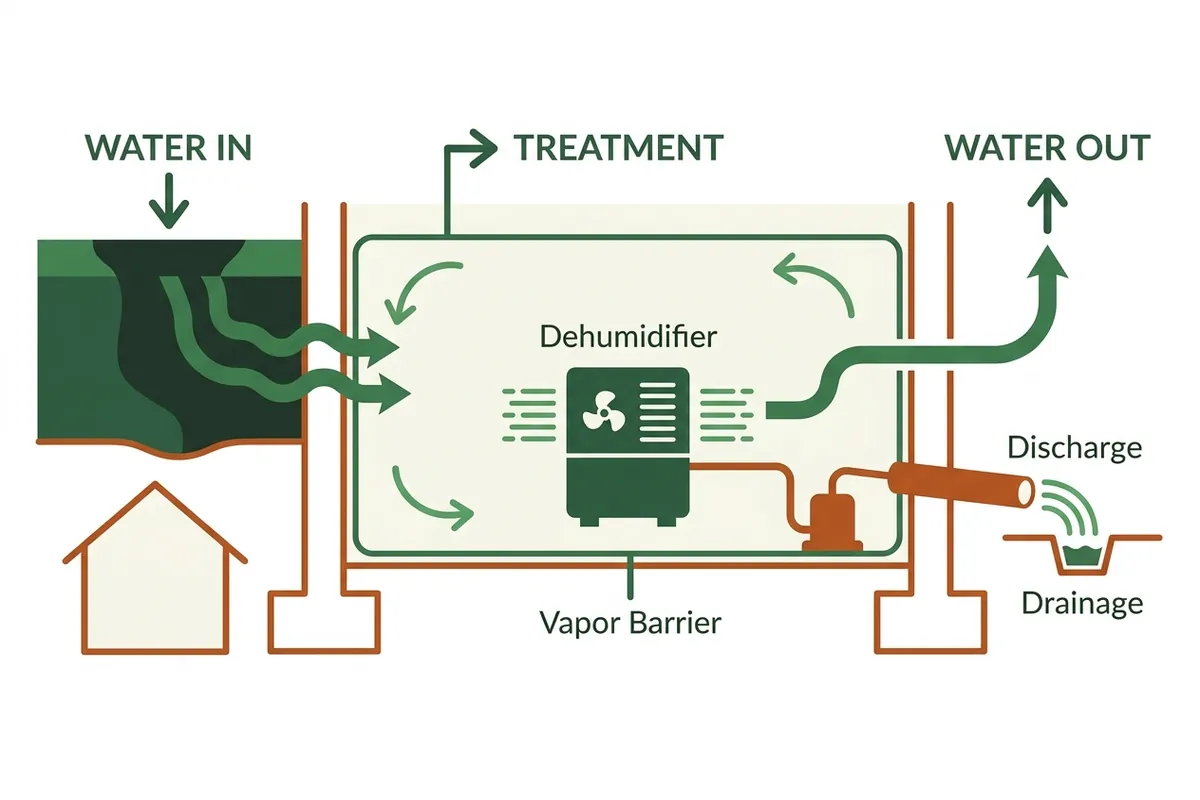
- Inspection: moisture readings, framing check, and the outside water path walked
- The insect question settled: soft framing identified as decay or termite damage before anything closes in
- Water management: perimeter collection, sump and discharge where the lot calls for it
- Remediation and repair: growth treated, softened framing rebuilt, nothing sealed over
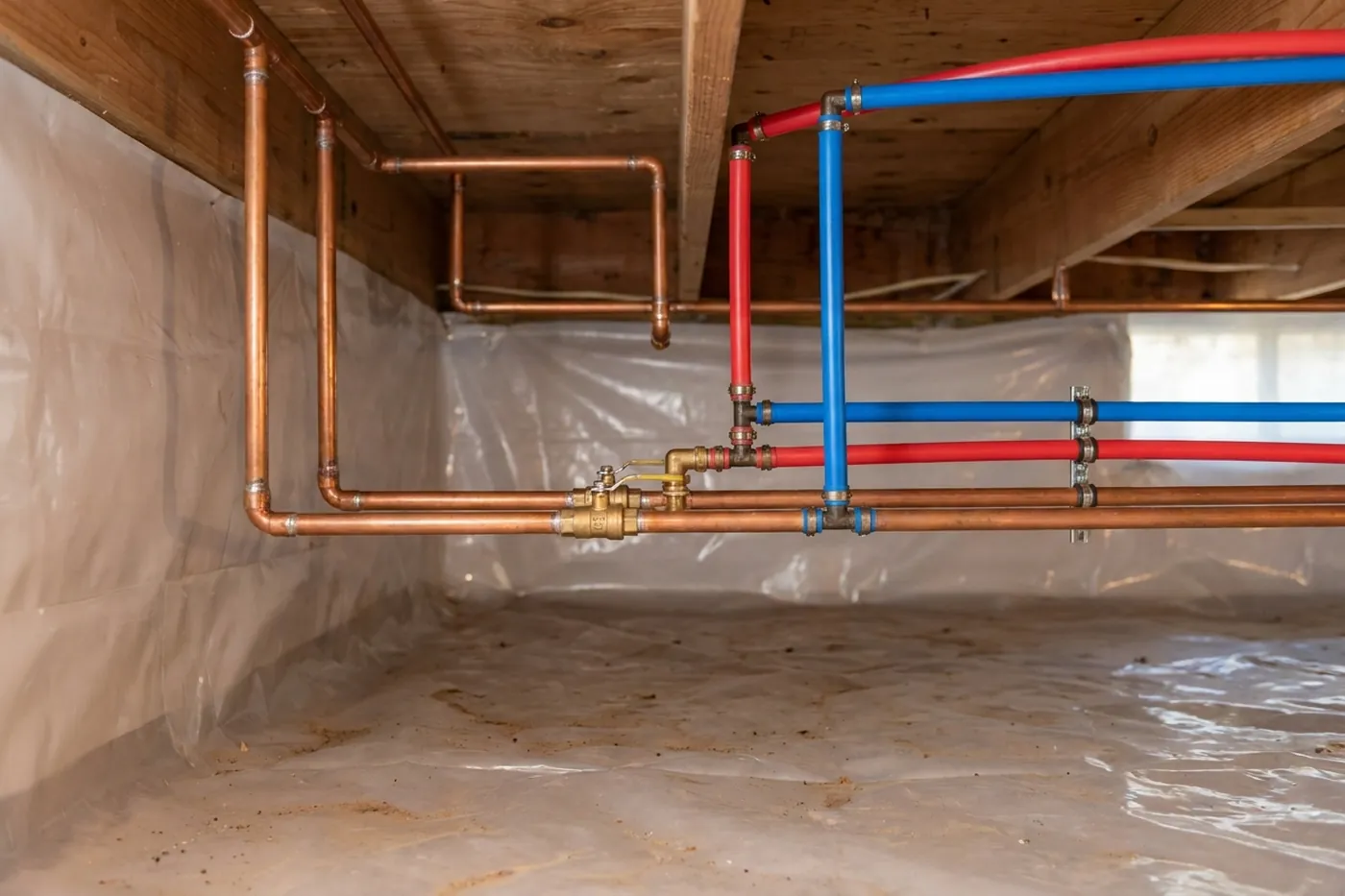
- The seal: reinforced liner across ground, walls and piers; vents closed; piers wrapped to leave the inspection band readable
- The dry: crawl-rated dehumidifier sized to the volume, draining automatically
- Commissioning: humidity verified against target, finished space photographed
What moves the number
| Driver | Effect |
|---|---|
| Liquid water present | Adds the interception and collection stage: the single biggest variable |
| Termite or decay repair | Two-state termite pressure means framing repair lines are common in older stock |
| Square footage and clearance | Liner area, and how fast a crew can work |
| Dehumidifier sizing | Matched to volume and to a nine-month cooling load |
| Lot logistics | Access and discharge routing on tight in-town lots |
Ask for a quote written and itemised by stage, with your crawl's readings attached to the lines that justified them, and for the specialist's warranty terms.
Frequently asked questions
What makes a Deep-South encapsulation different?
The drying stage carries more load: dehumidifiers get sized for a cooling season that runs most of the year, and termite-conducive conditions get flagged and coordinated with your pest company. The sealed design is the same one both states' codes recognize: the climate just grades it harder.
Where does my crawl land in the $6,000-$15,000 range?
Damage tells. Dry crawls with clean framing price at the bottom; storm-water crawls carry a drainage stage worth $2,000-$5,000; decay or termite-damaged framing adds repair lines. The inspection places yours with evidence.
Can mill-village pier crawls be sealed?
Yes. Bibb City-era and historic-district pier crawls seal well, each pier wrapped into the liner. A century of humid summers means framing gets inspected and repaired first, and termite history gets special attention. Ask for photos of all of it.
Do the vents stay or go here?
They close. That's the design, and both Georgia's and Alabama's codes permit it with a Class I vapor barrier and mechanical drying installed. Vents are how nine months of humidity got in to begin with.
How fast does the house change after sealing?
The musty smell usually fades within days as the crawl dries; summer comfort upstairs follows the first hot spell; and readings taken at commissioning give you the before-and-after in numbers.
Get a Columbus crawl space inspection
Tell us what you're noticing (smells, humidity, floor bounce, a wet crawl) and we'll pass your request to one independent local specialist who serves Columbus. They call you back to set up an inspection.